
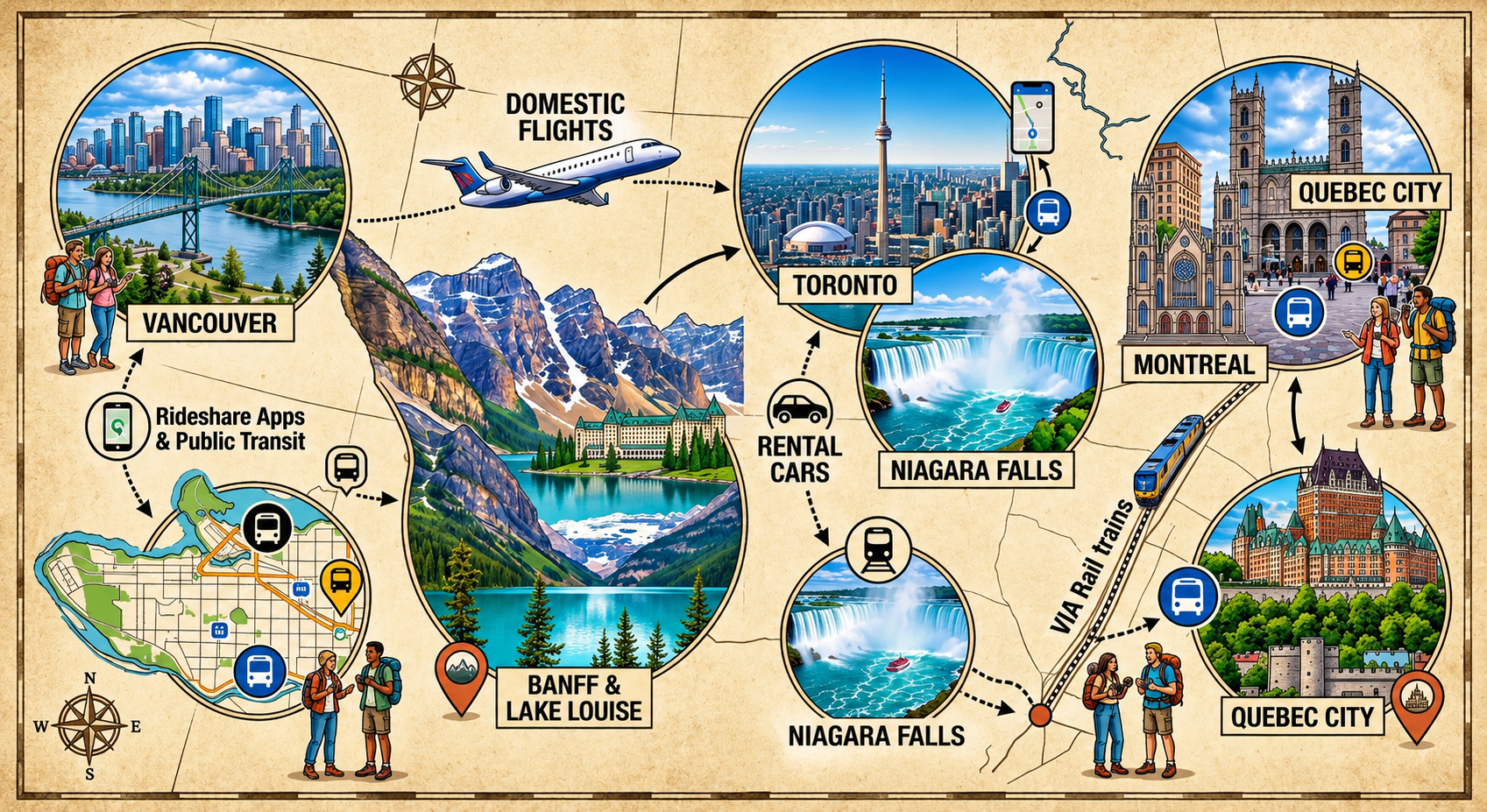
Canada is a country with a great number of extremes; however, they are all positive: lakes filled with water from glaciers, metropolitan cities, endless forests, and small towns where people wave at you while you are passing through in your car. Every province in Canada is a destination itself with its own rhythm of life, cuisine, and culture. And for those who have never been to Canada, it is quite difficult to imagine it all before getting there. This is exactly why the travel guide to Canada was created.
Whether you're dreaming of Banff's turquoise lakes, a food crawl through Montreal, or the bright lights of Toronto, a little planning up front makes all the difference. Here's what first-time visitors should know before visiting Canada.
When to Visit Canada
Canada's size means its weather varies enormously from coast to coast, so timing your trip depends heavily on where you're going.
- Spring (March to May): Melting snow, blooming parks, and thinner crowds, though some mountain trails may still be closed.
- Summer (June to August): Peak season. Warm weather across most of the country, ideal for national parks, road trips, and city festivals.
- Fall (September to November): Spectacular foliage, especially in Ontario and Quebec, with cooler, comfortable temperatures.
- Winter (December to February): Prime time for skiing, snowboarding, and winter festivals, though northern and prairie regions get bitterly cold.
Plan around the region first, then the season. Vancouver in January looks nothing like Winnipeg in January.
Entry Requirements and Visas
Before packing your suitcases, it is important to determine the means by which you will enter the country. People traveling from countries that enjoy visa-free entry into Canada will be required to simply acquire an eTA, Electronic Travel Authorization, which is easily attainable online, whereas people from non-visa-exempt countries require a Temporary Resident Visa.
A few tips:
- Apply for your eTA or visa well ahead of your trip, since processing times vary.
- Make sure your passport is valid for the full length of your stay.
- Be ready to show proof of onward travel, accommodation, and sufficient funds at the border.
- Declare all required items honestly on your customs form to avoid delays or fines.
- Keep digital and printed copies of your travel authorization, bookings, and itinerary handy for border officers.
As requirements tend to change, it is advisable to check the official IRCC website just before your departure date and not through second-hand information.
Getting Around the Country
Canada is the second largest nation in the world, and the distance between cities may seem deceivingly small. This is how most tourists move around:
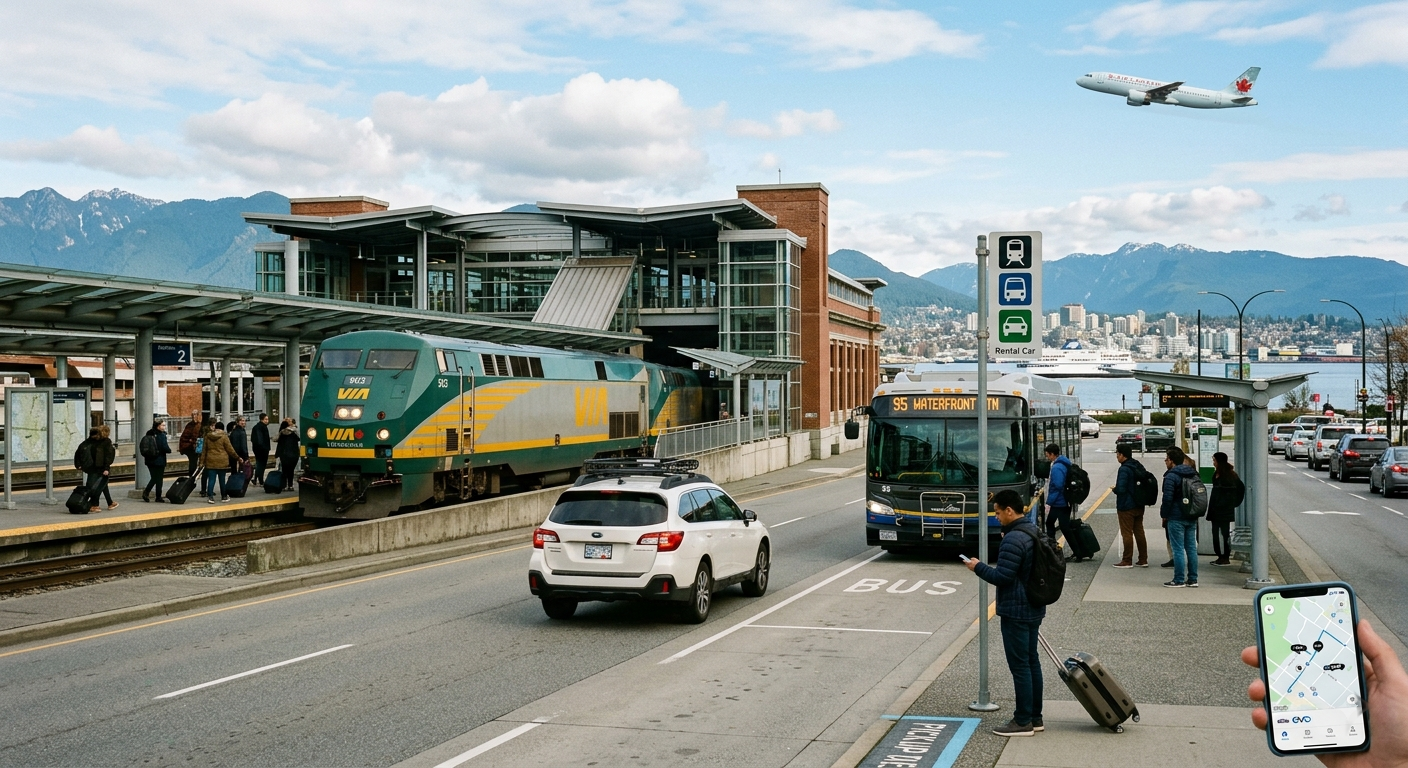
- Domestic flights are the most practical way to cover long distances, especially between coasts.
- Rental cars are ideal for scenic drives like the Icefields Parkway or the Cabot Trail.
- VIA Rail trains connect major cities, particularly along the Quebec City–Windsor corridor, though service is limited elsewhere.
- Rideshare apps and public transit work well within cities like Toronto, Vancouver, and Montreal.
When planning your road trip, make sure that you book your vehicle well in advance as availability and rates change rapidly during the busy season. Make sure that you verify driving distance prior to making your final decision because an extra hour is easy to accumulate.
Where to Stay
The accommodation prices differ greatly from one city to another as well as from season to season. Such major cities as Toronto, Vancouver, and Montreal will cost you more money compared to the small towns and countryside. When making your reservations, don't forget about the national parks and summer vacation spots.
It is wise to consider hotels, long-term stays at apartments, and vacation rentals before making your decision. Long-term stays could be more economical for extended travels, and the use of locations close to transit stations could reduce both time and costs when you arrive.
Budgeting for Your Trip
A realistic budget helps avoid surprises:
- Meals: Expect roughly CAD $15 to $25 for a casual restaurant meal, more in major cities.
- Transportation: Domestic flights and car rentals fluctuate by season and route.
- Tipping: Tipping is customary, typically 15 to 20% at restaurants, with smaller tips expected for hotel staff and drivers.
- Currency: The Canadian dollar is used nationwide; credit cards are widely accepted, though some smaller towns prefer cash.
Must-Visit Destinations
A well-rounded Canadian itinerary might include:
- Banff and Lake Louise for turquoise lakes and mountain scenery
- Toronto for skyline views, museums, and diverse neighborhoods
- Vancouver for a mix of city life, mountains, and coastline
- Quebec City for cobblestone streets and European-style charm
- Montreal for food, culture, and nightlife
- Niagara Falls for one of the world's most famous natural landmarks
Pick 2-3 regions rather than trying to cover the whole country at once. Canada's distances are just as deceiving as its size, and travel days can eat into vacation time fast.
Canada Travel Tips for First-Time Visitors
- Pack in layers. Weather can shift quickly, even within the same day.
- Get travel insurance. Healthcare costs for visitors can add up quickly without coverage.
- Stay connected. An eSIM or local SIM card makes navigation and communication much easier.
- Learn tipping norms. It's expected at restaurants, in taxis, and at hotels.
- Book ahead for popular spots. National park permits, ski passes, and major attractions can sell out during peak season.
These practical tips can help first-time visitors avoid common headaches and make the most of their time in Canada.
Final Thoughts
Traveling to Canada for the first time might seem like going through different countries in one, ranging from Quebec with a French-speaking population to the mountain ranges of Alberta and the coastal provinces of British Columbia. The same diversity is precisely why Canada will be a great place for traveling. Whether it's an application for eTA, a choice between road and railway trips, or something else, some basic preparation will help turn an intricate plan into an unforgettable experience. This Canada travel guide might serve as a good starting point, but planning will begin when you start looking for your tickets, hotels, and car rentals.
This is where Tabha.net comes into play. Tabha allows you to compare all types of deals – whether you need to compare flights, hotels, car rentals, and other services provided by reliable partners from one screen instead of opening many tabs in your web browser. Save time and effort with Tabha.
Frequently Asked Questions
Q1. Do I need a visa to visit Canada?
Ans. It depends on your nationality. Visitors from visa-exempt countries generally need only an eTA to fly in, while travelers from other countries must apply for a Temporary Resident Visa through a Canadian embassy or consulate.
Q2. What is the best time of year to visit Canada?
Ans. Spring and fall offer mild weather and smaller crowds, summer is best for national parks and city festivals, and winter suits skiing and snow-based activities, though this varies widely by region.
Q3. Is it expensive to travel around Canada?
Ans. Costs vary a lot by city. Toronto, Vancouver, and Montreal tend to be pricier, but smaller towns, road trips, and off-peak travel can bring costs down significantly.
Q4. How do I get around Canada?
Ans. Domestic flights work best for long distances, rental cars are ideal for road trips and scenic routes, VIA Rail connects some major cities, and public transit or rideshare apps cover most urban travel.
Q5. Is tipping expected in Canada?
Ans. Yes, tipping is customary, generally 15 to 20% at restaurants, with smaller tips expected for hotel staff, drivers, and other service workers.
Q6. Do I need travel insurance for a Canada trip?
Ans. Yes, it's strongly recommended. Travel insurance helps cover the cost of healthcare, trip cancellations, or other unexpected disruptions during your visit.